

On the Gulf Coast, your air conditioner isn’t just cooling your home — it’s fighting heat, humidity, and salt‑heavy air every single day. Because our climate is so demanding, AC systems often show signs of stress earlier than they would in other parts of the country. Catching these warning signs early can save you money, prevent breakdowns, and keep your home comfortable year‑round.
Here are the top signs your AC may be struggling in our coastal environment.
1. Your Home Feels Humid Even When the AC Is Running
High humidity is a constant battle along the Gulf Coast. If your AC is running but your home still feels sticky or muggy, it’s a sign the system isn’t removing moisture effectively. This can happen when:
- Coils are dirty
- The system is undersized
- Refrigerant levels are low
- The unit is aging
Left unchecked, humidity issues can lead to mold growth and higher energy bills.
2. Your Energy Bills Keep Rising
When salt corrosion or heavy humidity affects your system’s efficiency, it has to work longer to cool your home. If your energy bills have been creeping up — especially during months when usage should be stable — your AC may be losing performance.
3. You Notice Weak or Inconsistent Airflow
Salt exposure can cause coils and internal components to deteriorate faster, leading to reduced airflow. You may notice:
- Some rooms cool more slowly than others
- Air that feels weaker than usual
- Longer cooling cycles
This is often an early sign of a system struggling to keep up with Gulf Coast conditions.
4. Your AC Runs Constantly During Normal Weather
It’s normal for your AC to work hard during extreme heat, but if it’s running nonstop on mild days, something is off. Common causes include:
- Dirty coils
- Failing capacitors
- Low refrigerant
- A system that’s simply worn out from coastal exposure
Constant cycling puts extra strain on your system and shortens its lifespan.
5. You See Corrosion or Rust on the Outdoor Unit
Salt in the air accelerates corrosion — especially on homes closer to the water. If you notice rust on:
- Coils
- Fins
- Screws
- Metal panels
…it’s a sign your system is aging faster than normal. Corrosion can lead to refrigerant leaks, electrical issues, and major component failures.
What to Do If You Notice These Signs
Because Gulf Coast systems face harsher conditions, regular maintenance is essential. Our maintenance plan includes:
- Two full-service visits per year
- Deep cleaning and performance checks
- Drain line clearing
- Coil inspection
- 10% discount on repair costs
This helps extend your system’s life and keeps it running efficiently despite the coastal environment.
Protect Your Comfort Before Problems Grow
If your AC is showing any of these signs, it’s best to have it checked before a small issue becomes a major repair. Our certified technicians can diagnose the problem, explain your options clearly, and help you stay comfortable through every season on the Gulf Coast.
Related Posts
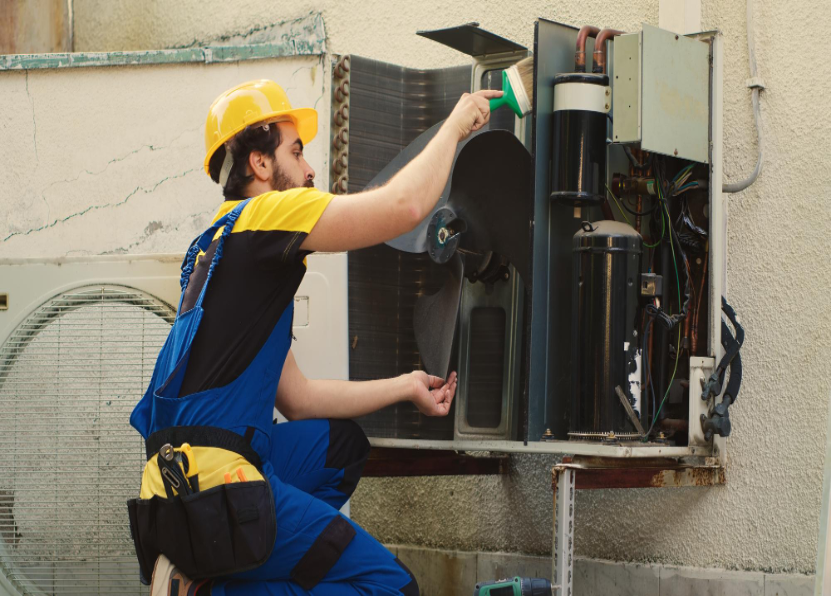 When to Repair vs. Replace Your AC Unit
 Why Gulf Coast Homes Need Specialized HVAC Care